When the Pain Outweighs the Pleasure
I finished watching Euphoria late, long after everyone else had discussed it and moved on. What stayed with me was not only the addiction, but the hiding, bargaining, and belief that control is still there long after it has started slipping away.
That made me want to understand more.
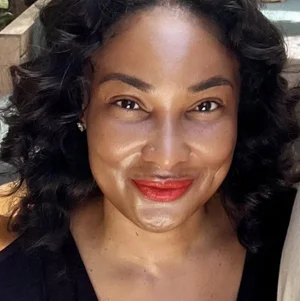
For this story, I spoke one on one with someone who asked to remain anonymous. They described addiction in the beginning as comfort. At 15 or 16, it made life feel easier.
“It made me feel good,” they said. “It was a new feeling that I liked.”
That was part of the danger. It did not arrive looking destructive. It felt like relief.
Over time, that changed. Their twenties brought homelessness, jail, prison, damaged relationships, and the same consequences repeating in different forms.
“I felt hopeless,” they said. “I needed to do something different because I could see myself landing in the same positions.”
Even frightening experiences were not enough to make everything stop. The turning point came later, when they were mentally and spiritually exhausted. By then, family had done what they could, trust had been damaged, and the people who loved them had learned that love could not keep rescuing them.
They had to accept help.
“I didn’t even know what hope was,” they said. “I couldn’t even imagine myself not getting intoxicated or obliterated.”
Recovery also required self forgiveness.
“You want to apologize to everybody else that you’ve hurt,” they told me. “But you don’t want to give yourself a break and apologize to yourself.”
That stayed with me. Forgiving yourself does not erase what happened or remove responsibility. It gives you a chance to stop carrying every past decision into every new day.
Eventually, they said, the pleasure disappeared.
“When the pain outweighs the pleasure, you know.”
What once felt like relief had become another source of pain. The answer was no longer trying harder alone.
“I needed help,” they said. “I had to get some help.”
When I asked what they would tell someone who knows something has to change, their answer was simple: ask for help.
Sometimes recovery begins there, with enough honesty to admit you cannot keep doing it by yourself.
#062632