Stewardship
A woman preserving legacy and community
Greenwood District in Tulsa, Oklahoma, once known as Black Wall Street, remains central to conversations about preservation, justice, and economic legacy.
The last place I expected to meet someone who would one day help shape the future of Greenwood was a middle school Home Economics classroom.
It was the final two months of my eighth-grade year. I had just been expelled for misconduct and transferred to Nimitz Middle School. That is where I met Heather Nicole Nash.
Heather stood out immediately. She was funny, free-spirited, and easy to like. We shared several classes, but the memory that still makes me laugh is Home Economics. Our sewing projects were questionable, the recipes unpredictable, and Mrs. Whisenhunt had little patience for the chaos we created.
Decades later, that same free-spirited girl now leads one of the most important descendant-led efforts connected to Tulsa’s historic Greenwood District.
In 1921, the thriving Black community of Greenwood was destroyed in the Tulsa Race Massacre, one of the most devastating acts of racial violence in American history. Much of what families built was never restored.
Today, Heather is the founder and executive director of the Deep Greenwood Foundation, an organization working to protect that legacy and ensure descendants have a voice in Greenwood’s future.
But the path to that work began with a question.
Following the Money in Greenwood
As national attention around Greenwood grew, Heather began paying closer attention to where resources connected to its history were going.
“I started looking at where the funding was going,” she says. “Money was coming into the community, but it wasn’t reaching the community.”
As fundraising connected to Greenwood increased, many organizations within the district continued to struggle.
“That’s when I knew something wasn’t right,” she says. “If the right thing wasn’t being done, somebody had to step up and do the work.”
That raised another question: if resources connected to Greenwood continued to grow, who would ensure descendants received restitution for the losses their families endured?
Part of the answer became descendant certification, a process that documents direct lineage to families connected to the 1921 massacre. Certification helps establish who those descendants are if restitution or resources tied to that history ever emerge.
“It reconnects people to their history.”
The Work of the Deep Greenwood Foundation
That question helped shape the mission of the Deep Greenwood Foundation, a descendant-led organization focused on protecting the legacy and future of the Greenwood District.
The foundation works in four areas: descendant certification, advocacy, economic protection for Greenwood businesses, and preservation of historic buildings connected to the district.
For Heather, descendant leadership matters because the families who built Greenwood should help guide decisions about what happens next.
“We had no help when Greenwood was destroyed,” she says. “And very little help rebuilding it.”
That history informs the philosophy behind her work.
“Greenwood was built through self-sufficiency.”
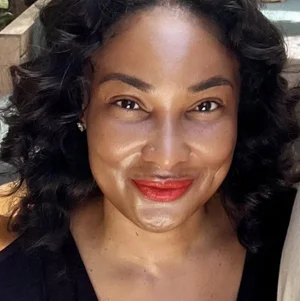
Heather Nicole Nash, founder and executive director of DGF, works to preserve Greenwood’s legacy and ensure descendants remain connected to its future.
What Restoration Means
For Heather, restoring Greenwood means more than preserving the few buildings that remain.
“People travel from all over the world to see Greenwood,” she says. “But what they see now is only a small part of what once existed.”
True restoration, she believes, must also rebuild economic strength so businesses connected to the community can survive and grow.
“If those businesses can’t stay,” she says, “then we haven’t truly restored Greenwood.”
Looking Forward
When asked what she hopes people will say about the work being done today twenty years from now, Heather pauses before answering.
“That we did it right.”
For the Deep Greenwood Foundation, success would mean more descendants identified and certified, historic structures preserved, and a district where businesses connected to Greenwood’s legacy can thrive again.
The same determination I saw in that Home Economics classroom decades ago is still there today.
But the work she carries now is far greater.
If she could say one thing to the ancestors of Greenwood about the work being done today, her answer comes quickly.
“As long as I have breath in my body,” she says, “no one is going to keep robbing us.”
#032621